Ark SingularityARK SINGULARITY

Awake

The Agent Activation Layer
Wake the crew.
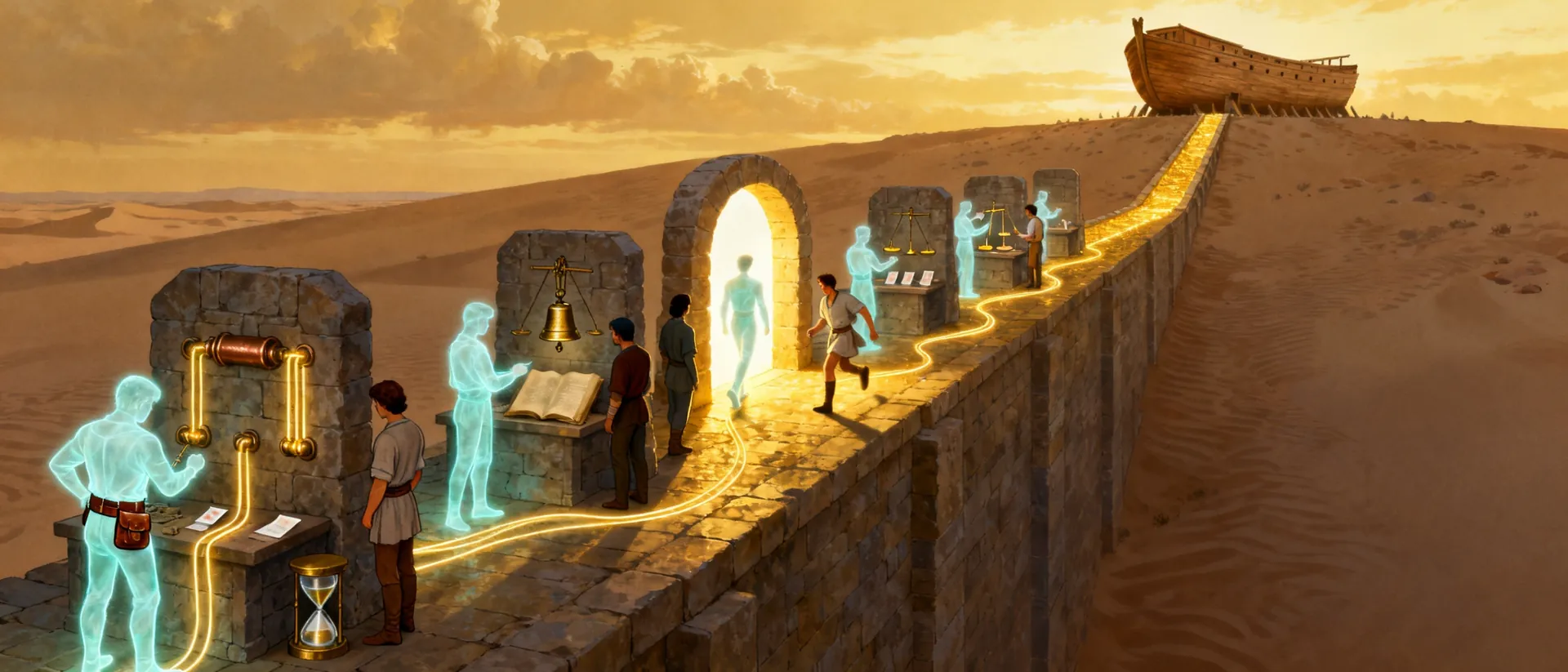
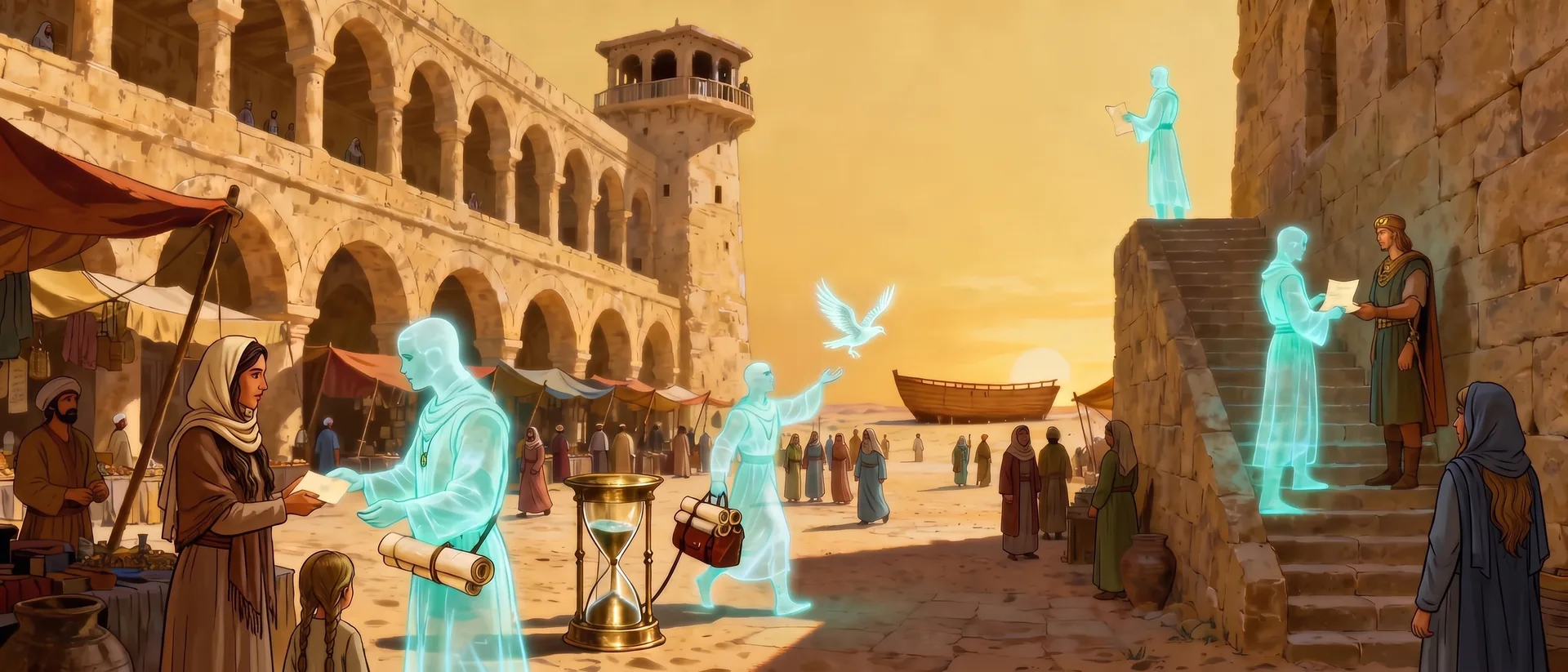
The moment the agents are switched on. Each one takes its post inside a real workflow — with an owner, a role, its skills, its tools and its channels — and the company starts working with two kinds of crew.
Agents at Work · Humans in Command
by Ark Singularity

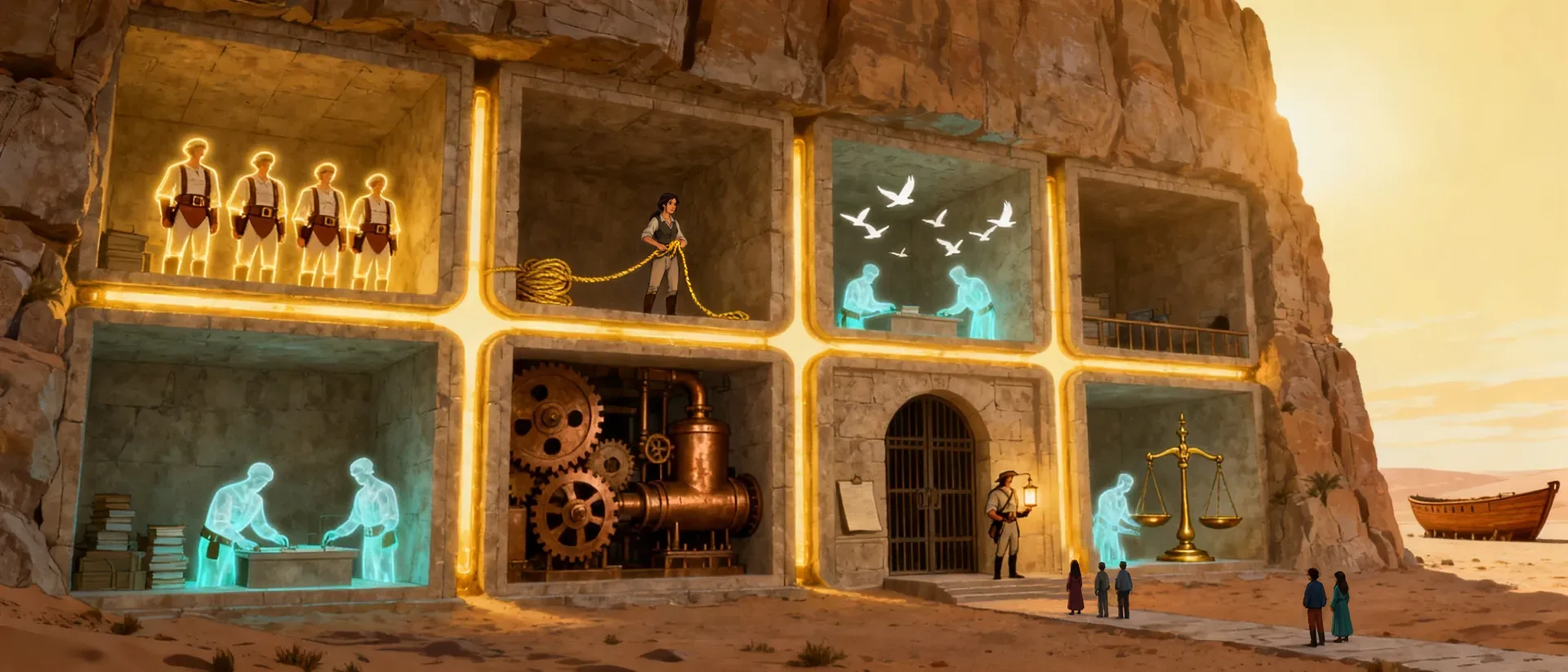
Why Awake Changes Everything

A map doesn’t move a company. An aligned workflow doesn’t either. Something has to show up for work — every day, on time, on the record.
The crew wakes at first light

What is Awake?

Awake is the moment the agents designed in Align are switched on. An agent is a configuration, not code: an owner, a prompt, a model, tools, skills, channels — and the moments it wakes. From then on the harness wakes it by itself: on a schedule, when the business moves, or when someone writes.

The Awake Thesis

Agents should show up like crew, not like software. Every agent gets one harness and its own uniform: the same rules, the same map of the company and the same gate on every tool — plus its own role, owner, leash and channels. People stay at the decision points.

92%
of runs in one October week started from a schedule or a business event — not a person
~31,000
agent runs in a single week, across 89 active agents
4 h
per escalation level before it climbs — thirty minutes when health or safety is at stake
1
gate every tool call passes — who is writing decides what the agent may do
Ark Film / 003 · EN / ES

The Awake Film

A short film on the moment the crew wakes: what an agent is, where it works, who it answers to, and how every run is put on the record.
English · captions available · Español: switch the site languageThe Ontology Layer film →

The First Week Awake

What a real agent fleet looked like in one October week, anonymized. Agents don’t grade themselves — every run is read and scored.
Who starts the work
60.7%a schedule
31.2%a business event
4.9%a person in conversation
3.2%another agent
Most work doesn’t wait for a prompt. It waits for the clock — or for the business to move. Snapshot: Oct 4–10, 2026.
Would the business miss it?
3%a lot
30%somewhat
56%a little
11%not at all
Nearly half of all runs are monitoring. Event-triggered runs were about four times likelier than scheduled ones to matter a lot — wake agents on the business, not just the clock.

The 6 Wake Systems

What every agent carries when it goes on shift
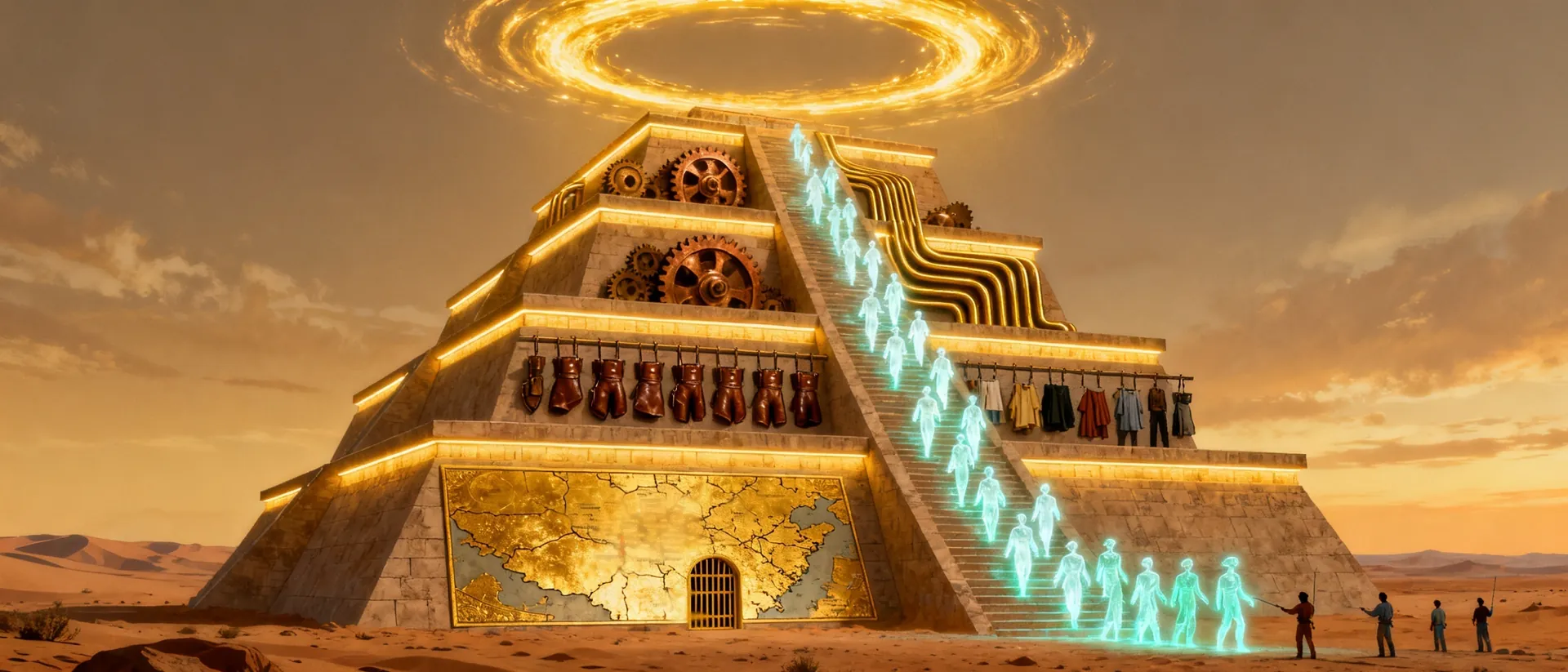
The ark at work, deck by deck
01

Identity

An owner, a prompt, a model, a look. The agent is a configuration, not code — an edit reaches its very next turn. Only an active agent runs.

02

Leash

In training it shows what it would do and waits for your OK. Autonomous, it acts and reports. Manual, it works only when asked. Training is a phase, not a destination.

03

Channels

Team chat, web chat, mailboxes, meetings, voice, WhatsApp, SMS — plus schedules, business events and other agents. When in doubt, it drafts instead of sending.

04

Work Engine

Every five minutes a dispatcher wakes what’s due. Schedules run versioned skills, breakers switch off a failing schedule and tell its owner, and cut-off work resumes from a checkpoint.

05

Watch

One gate on every tool call. Proof before claims. Escalations climb timed levels — and money, policy, safety, legal and access always reach a person.

06

Ledger

Every run becomes a card: a sentence of what it did to the business, and a verdict on a simple question — would the business miss it?

The Awake Sequence

From a design in Align to a crew member on shift
The Awake sequence
Phase 1

Birth Card

Five moments define the agent: who it is, what it does, where it lives, when it wakes, and how much leash it gets.

Phase 2

Wiring

Tools, skills, channels and peer agents are assigned, not coded. What it may do depends on who is writing to it.

Phase 3

Rehearsal

In training, the agent proposes and waits for an OK. A certification run can check that its tools are really wired and that it doesn’t invent tool calls.

Phase 4

Switch On

Status goes to active — the only status that runs. Schedules and business events start waking it; a paused agent never fires.

Phase 5

Escalate

What it can’t or shouldn’t decide becomes an escalation: a card in the department chat, then a message to the lead. A decision wakes the agent again.

Phase 6

Read & Learn

Read the run cards. Edit a skill and the next run follows the new page. A lesson learned by two agents can travel to the whole fleet.

The 5 Shifts

Every agent works one or more of these shifts — each with an owner who answers for it
The crew on deck

Responder

Where People Write

Answers in chat, mail, WhatsApp or voice — with the permissions of whoever is writing. Guests are offered a human.

Runner

Scheduled Work

Wakes on the clock and runs a versioned skill. Breakers stop a schedule that keeps failing and tell its owner.

Listener

Business Events

Wakes when the business moves — a record changes, a document is signed, a field update lands. Each event is claimed once.

Watcher

Monitoring

Sweeps for what needs attention and speaks only when something is actionable. Nearly half of all runs are this shift.

Relay

Coordination

Asks other agents for help, up to three hops deep, and hands decisions to people through the escalation ladder.

Every Run, On the Record

The guardrails and measurements that make an awake crew trustworthy

Run Sentence

Active

Built from the tool calls, with no model: died, failed, advanced, wrote, consulted or untouched. A business verb counts only with mechanical proof.

Work Verdict

Active

Would the business miss it? None, low, medium or high — scored from probabilities, not prose.

Proof Before Claims

Active

An agent may only say something happened if a tool proved it in the same turn. Unproven claims are rewritten before they reach a chat app.

One-Time Codes

Active

Writes and payments for a customer recognized by phone need a one-time code — valid ten minutes, at most three an hour.

Breakers

Active

Ten straight configuration failures switch a schedule off and message its owner. Infrastructure failures back off instead.

Durable Runs

Active

Work that gets cut off continues from a checkpoint. In 30 days, 89% of 5,330 long runs completed.

Exactly Once

By Design

Events are claimed by a dedup key and writes go through a ledger, so retries don’t repeat work. A test ran 500 events on 25 links exactly once each.

Outcome Contracts

Ready

A schedule can declare what success means — because 17 of 247 “successful” runs once reported failure in their own text.

The Awake Transformation

What changes when the crew is switched on
The Awake transformation

Before Awake

Agents are designs in a slide deck
Work waits for someone to start it
Status lives in people’s heads
Nobody can say what an automation actually did
Every fix needs a developer and a deploy
A lesson learned by one person stays with that person
Escalations are hallway conversations
vs

After Awake

Agents are crew — with owners, leashes and shifts
Schedules and business events wake the work
Every run leaves a sentence and a verdict
Nothing is “done” without a tool’s receipt
Edit a skill and the next run follows it — no redeploy
A lesson learned by two agents can ride with the whole fleet
Escalations climb timed levels to the right person

The 4-Layer Activation Stack

Each layer sits on the one below. Awake starts with one harness for everyone.
The activation stack
L1

The Harness

The same rules, the same map of the company and the same gate on every tool — for every agent. This is where Awake begins.

L2

The Uniform

Each agent’s own owner, prompt, model, look, tools, skills, channels and leash. Configuration, not code.

L3

The Work Engine

Schedules, business events, queues, breakers and durable runs. The harness wakes the agent — nobody has to.

L4

The Learning Loop

Versioned skills (1,528 of them, 10,709 saved versions), memories, and lessons shared across the fleet. The crew gets better between shifts.

Activation Roadmap

From the first agent on shift to a fleet that learns
Activation roadmap

Phase 1

First Shift

One workflow, one owner, a few agents in training. Read every run card.

Phase 2

Clockwork

Schedules and business events switched on. Breakers and escalation ladders in place.

Phase 3

Every Channel

Agents meet people where they already work — chat, mail, voice, WhatsApp.

Phase 4

Measured

Wake on the business, not just the clock. Retire the runs nobody would miss.

Phase 5

Vision

A fleet that learns overnight, with people at every decision that matters.

Vision Ark Singularity

The Ark Was Built Before the Wave.
Awake Is When It Sails.

Awake doesn’t hand the company to machines. It gives the work a crew: agents that show up on time, on the record and with an owner — and people who stay at every decision that matters. Next comes Crystal Lake, where the signals of every awake company become one view of the market.
Wake the Crew
Next: Crystal Lake →